

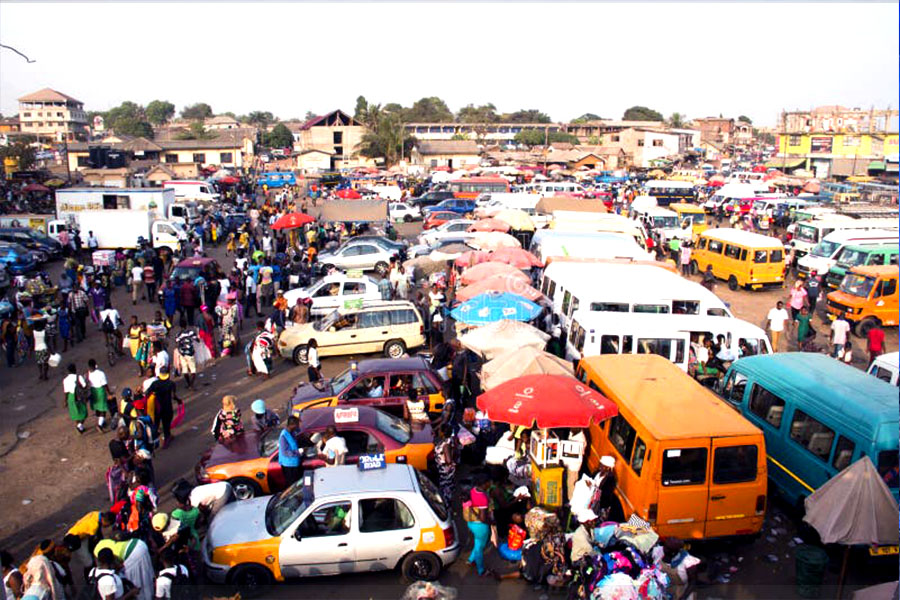
The rising cost of transportation has become a major concern for many Ghanaians, with passengers increasingly feeling the impact of higher fares on their daily lives.
For workers, students, traders and other commuters who depend heavily on commercial vehicles, the increase in transport costs is putting additional pressure on already stretched household budgets.
Across various parts of the country, passengers say they are spending more on transportation to get to work, school, markets and other destinations.
For some, the increased fares have forced them to reconsider their daily movements and adjust their spending on essential needs.
Commercial drivers, however, point to increasing operational costs as one of the major reasons behind the adjustments in fares.
Fuel prices, vehicle maintenance, spare parts, and other expenses have all contributed to the financial burden of running commercial transport services.
Drivers argue that maintaining their vehicles has become increasingly expensive, making it difficult to operate at previous fare levels while still covering their costs.
Passengers, on the other hand, say frequent fare increases are creating difficulties for people whose incomes have not increased at the same pace.
For low-income earners in particular, transportation can take up a significant portion of their daily earnings, leaving less money for food, rent, school expenses and other basic needs.
The issue has therefore become more than just a transportation concern, as it directly affects the cost of living and the economic well-being of households.
Some commuters are calling for measures that can help stabilise transport fares and reduce the pressure on both drivers and passengers.
They believe addressing the underlying factors contributing to high operating costs, particularly fuel and vehicle maintenance expenses, could help bring some relief to the transport sector.
As discussions over the cost of transportation continue, the situation highlights the delicate balance between the needs of commercial drivers to cover their operating expenses and the ability of passengers to afford their daily journeys.
With millions of Ghanaians relying on public transport, the cost of moving from one place to another remains a significant national concern, and many are looking forward to sustainable measures that can make transportation more affordable for the ordinary Ghanaian.

