

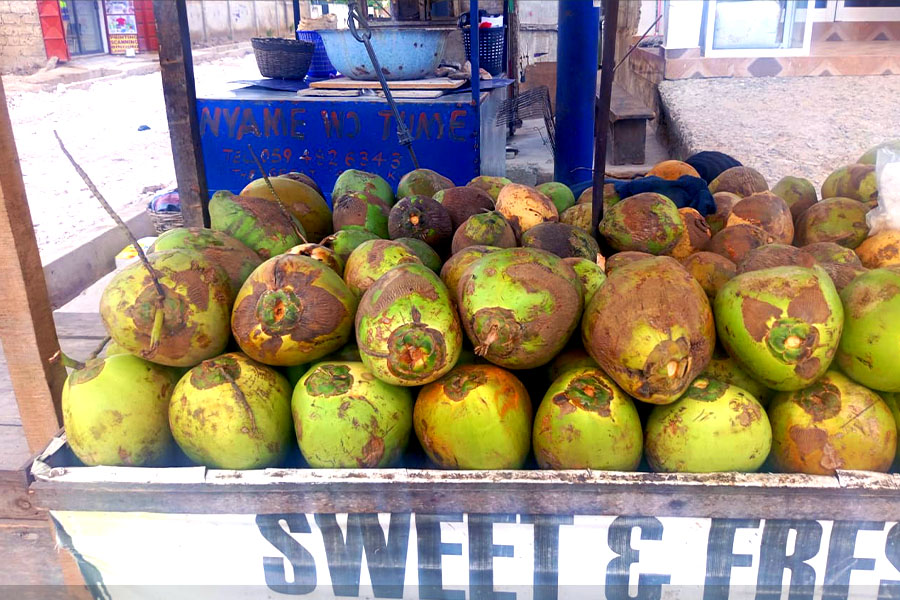
Coconut is one of the fruits that has remained an important part of diets and traditional practices in many communities. From its refreshing water to its nutritious flesh and oil, almost every part of the coconut can be used in one way or another.
Coconut provides the body with several important nutrients. Coconut water contains fluids and electrolytes such as potassium, which can help with hydration. The white flesh of the coconut provides dietary fibre, minerals and fats that can contribute to a balanced diet.
Coconut is also a source of manganese, an important mineral involved in metabolism and normal bone development. Its fibre content can support healthy digestion and help people feel full after eating.
Coconut oil, which is extracted from the flesh, is widely used in cooking and food preparation. However, because coconut oil is high in saturated fat, health experts generally advise using it in moderation as part of a balanced diet.
Beyond nutrition, coconut is used in many Ghanaian homes in different forms. Coconut milk can be added to meals, the flesh can be eaten fresh or dried, and coconut water is commonly enjoyed as a refreshing drink.
With its combination of water, fibre, minerals and energy-providing fats, coconut remains a versatile fruit that can contribute to a healthy diet when consumed appropriately.
For many people, the coconut is therefore more than just a tropical fruit. It is a natural food that provides useful nutrients while serving a variety of purposes in everyday life.

