

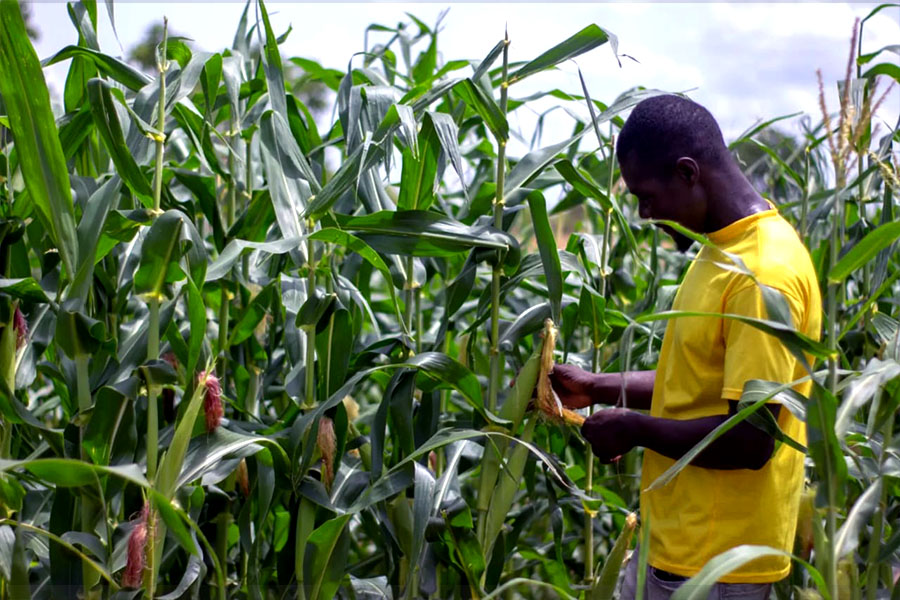
Maize remains one of the most important food crops in Ghana, finding its way into the meals of millions of households across the country.
From banku and kenkey to roasted corn, porridge and other local dishes, maize plays a major role in the Ghanaian diet. Behind the steady supply of the crop are thousands of farmers who work through different seasons to produce enough maize to feed the population.
For many of these farmers, maize farming begins with careful preparation of the land. Farmers clear their fields, prepare the soil and select seeds they believe will produce good yields.
Once the seeds are planted, farmers must closely monitor their farms. Weeding, applying fertiliser and controlling pests and diseases are among the activities that require considerable time, labour and resources.
The work can be particularly demanding during the rainy season, when farmers have to balance favourable weather conditions with the risk of excessive rainfall and other challenges that could affect production.
Despite these difficulties, many farmers continue to cultivate maize because of its importance to their livelihoods and the country’s food supply.
At harvest time, farmers gather the mature maize, remove the cobs from the stalks and dry the grains to reduce moisture before storage or sale. The harvested maize is then transported to markets, food processors and other parts of the country.
For consumers, maize may simply be another item purchased from the market. But for farmers, every bag represents months of preparation, planting, maintenance and hard work.
Their contribution also extends beyond feeding households. Maize supports traders, transport operators, food vendors, processors and other businesses that depend on the crop.
However, farmers continue to face challenges including the rising cost of farm inputs, access to machinery, changing weather conditions, pests and difficulties accessing markets.
Addressing these challenges could help farmers increase productivity and improve their livelihoods while strengthening Ghana’s ability to produce enough food locally.
As Ghana continues to promote food security and agricultural development, the work of maize farmers remains essential. Their fields may be far from the cities, but the fruits of their labour reach dining tables across the country every day.
For every plate of maize-based food enjoyed by a Ghanaian, there is a farmer whose hands helped make that meal possible.

