
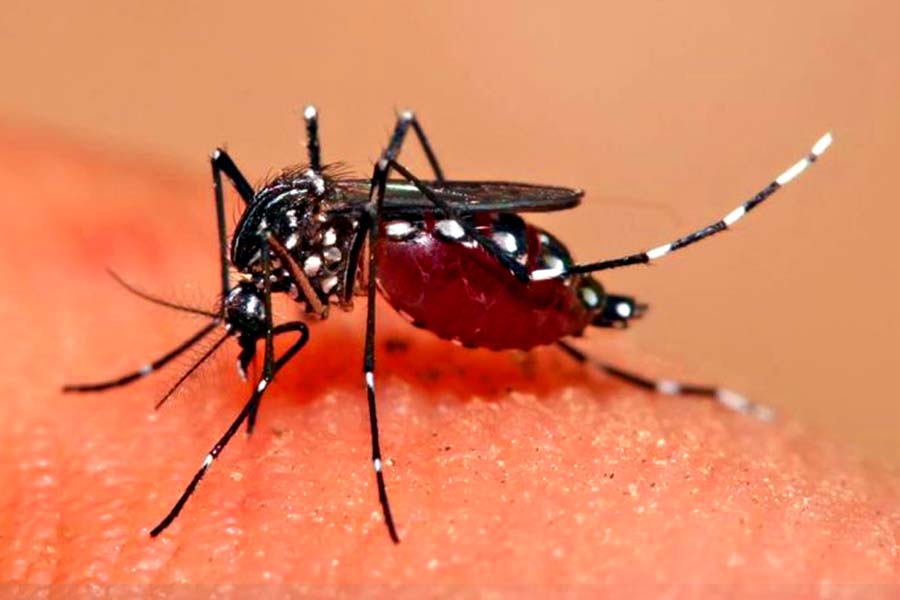
Hospitals and health facilities across Ghana are recording an increase in malaria cases as the rainy season creates favourable conditions for mosquito breeding and the spread of the disease.
Health professionals say the rise in malaria infections is becoming a concern, especially as heavy rains leave behind stagnant water, flooded areas, and blocked drainage systems that provide breeding grounds for mosquitoes.
According to medical experts, malaria continues to be one of the leading health challenges affecting many communities, with children under five, pregnant women, and people with weakened immune systems among the most vulnerable groups.
Some hospitals have reported an increase in patients arriving with symptoms such as persistent fever, severe headaches, body weakness, chills, joint pains, loss of appetite, vomiting, and general discomfort.
Health workers are advising the public not to ignore these signs, stressing that early diagnosis and treatment are important in preventing the disease from becoming severe or life-threatening.
Medical practitioners explain that when malaria is detected early, patients have a higher chance of recovering quickly. However, delayed treatment can lead to serious complications, including severe anaemia, organ failure, and in some cases, death.
Health authorities have therefore encouraged citizens to visit health facilities for proper testing instead of relying on self-medication whenever they experience malaria-related symptoms.
The increase in malaria cases has also raised concerns among some communities where residents say the number of mosquitoes has increased due to poor drainage systems, stagnant water, and improper waste disposal.
Some residents are calling on local authorities to improve sanitation, clear blocked gutters, and intensify mosquito control programmes to reduce the spread of the disease.
Health experts have advised households to take simple but effective preventive measures, including sleeping under insecticide-treated mosquito nets, using mosquito repellents, wearing protective clothing at night, and keeping windows and doors properly screened.
They have also encouraged residents to remove stagnant water from old tyres, containers, bottles, and other items around their homes where mosquitoes can breed.
The Ghana Health Service has reminded the public that malaria prevention begins at home and requires the participation of every individual. Officials say maintaining clean surroundings is one of the most effective ways to reduce mosquito populations.
During the rainy season, communities are also being encouraged to organise regular clean-up exercises to clear bushes, remove waste, and improve environmental conditions.
Environmental health officers have stressed the importance of proper waste management, warning that indiscriminate dumping of refuse can block drainage systems and worsen conditions that encourage mosquito breeding.
Meanwhile, pregnant women have been advised to attend antenatal clinics regularly and follow medical advice to protect themselves and their unborn babies from malaria-related risks.
Health professionals say malaria during pregnancy can increase the risk of complications such as low birth weight and other health challenges for both mother and child.
Parents have also been urged to pay close attention to children who develop fever or unusual weakness, as children can quickly develop severe malaria if treatment is delayed.
Some schools and community organisations are increasing awareness among students and residents about malaria prevention, encouraging young people to become ambassadors for healthy practices.
Healthcare workers have also called for continuous support from government agencies, private organisations, and communities to strengthen malaria prevention programmes and ensure hospitals have the necessary resources to manage increasing cases.
Experts say controlling malaria requires a combination of prevention, early testing, effective treatment, and improved environmental management.
They believe that while hospitals continue to provide care for patients, reducing mosquito breeding areas remains a long-term solution to controlling malaria infections.
The Ghana Health Service has assured the public that it will continue to monitor malaria trends, educate communities, and work with stakeholders to reduce the impact of the disease.
As the rainy season continues, citizens are being urged to remain cautious, protect themselves from mosquito bites, maintain clean environments, and seek medical attention early whenever they experience symptoms.
Health authorities say collective action from individuals, families, communities, and institutions will be essential in reducing malaria cases and protecting public health.

