

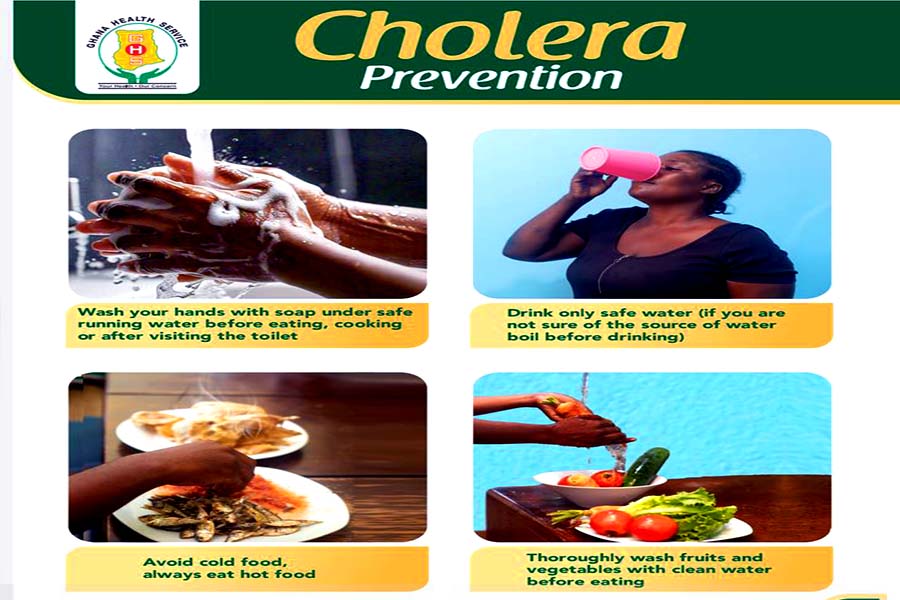
The Ghana Health Service (GHS) has intensified its public health education campaign on cholera prevention, urging citizens across the country to take sanitation and personal hygiene practices seriously to prevent possible outbreaks.
Health authorities say cholera remains a major public health concern, especially during the rainy season when flooding, poor drainage systems, improper waste disposal, and contamination of water sources can create favourable conditions for the spread of the disease.
The Ghana Health Service has therefore appealed to individuals, families, schools, businesses, food vendors, and community leaders to work together to promote healthy living and maintain clean environments.
According to health experts, cholera is mainly caused by consuming food or water contaminated with the bacteria responsible for the disease. They explained that areas with poor sanitation facilities, overcrowded settlements, and inadequate waste management systems are at a higher risk of experiencing outbreaks.
The Service has advised citizens to practise regular hand washing with soap and clean water, especially before eating, after using the washroom, and after handling waste. It has also encouraged households to ensure that drinking water is properly treated before consumption.
Health officials have further urged the public to pay attention to food safety by washing fruits and vegetables properly, cooking food thoroughly, covering prepared meals, and avoiding food prepared under unhygienic conditions.
The GHS has warned against the habit of dumping refuse into gutters, drains, and waterways, explaining that such practices block drainage channels and increase the risk of flooding and the spread of diseases.
The Service has also called on local authorities, metropolitan and municipal assemblies to strengthen sanitation measures, improve waste collection systems, and ensure that public areas remain clean and safe for residents.
Health authorities say the prevention of cholera cannot be achieved by medical interventions alone but requires the active involvement of citizens. They believe that maintaining good sanitation habits is one of the most effective ways to protect communities.
Food vendors and business owners who handle food have been advised to follow strict hygiene standards. They have been encouraged to keep their working areas clean, use safe water, protect food from flies and dust, and maintain proper storage practices.
The Ghana Health Service has also urged schools and educational institutions to educate students on the importance of hygiene and provide access to clean water and proper sanitation facilities.
Health professionals have cautioned citizens not to ignore symptoms associated with cholera, including severe watery diarrhoea, vomiting, stomach discomfort, weakness, and signs of dehydration.
They explained that early reporting and treatment are important because cholera can become dangerous within a short period, especially when patients lose large amounts of fluid from their bodies.
The Service has encouraged individuals who experience symptoms to visit nearby health facilities immediately instead of relying on self-medication, which may delay proper treatment.
Meanwhile, some residents have raised concerns about sanitation challenges affecting their communities, including overflowing gutters, poor waste disposal practices, and limited access to clean water.
They are appealing to authorities to increase sanitation inspections, provide adequate waste bins, improve drainage systems, and enforce environmental health regulations.
Community leaders have also been encouraged to support health campaigns by educating residents and promoting responsible sanitation practices at the local level.
The Ghana Health Service says it continues to monitor health situations across the country through surveillance programmes and collaboration with health partners to detect and respond quickly to possible outbreaks.
Health officials have assured the public that measures are being taken to strengthen preparedness and ensure that communities receive the necessary information and support to prevent the spread of cholera.
Experts have stressed that the fight against cholera requires a long-term commitment to improving sanitation, access to clean water, and public awareness.
They believe that beyond preventing disease outbreaks, improved sanitation will contribute to healthier communities and improve the overall quality of life of citizens.
The Ghana Health Service has therefore reminded Ghanaians that preventing cholera is a shared responsibility. Every individual has a role to play by keeping their surroundings clean, practising good hygiene, and encouraging others to do the same.
As health authorities continue their awareness campaign, citizens are being urged to remain alert, follow safety guidelines, and work together to protect families and communities from cholera outbreaks.

