

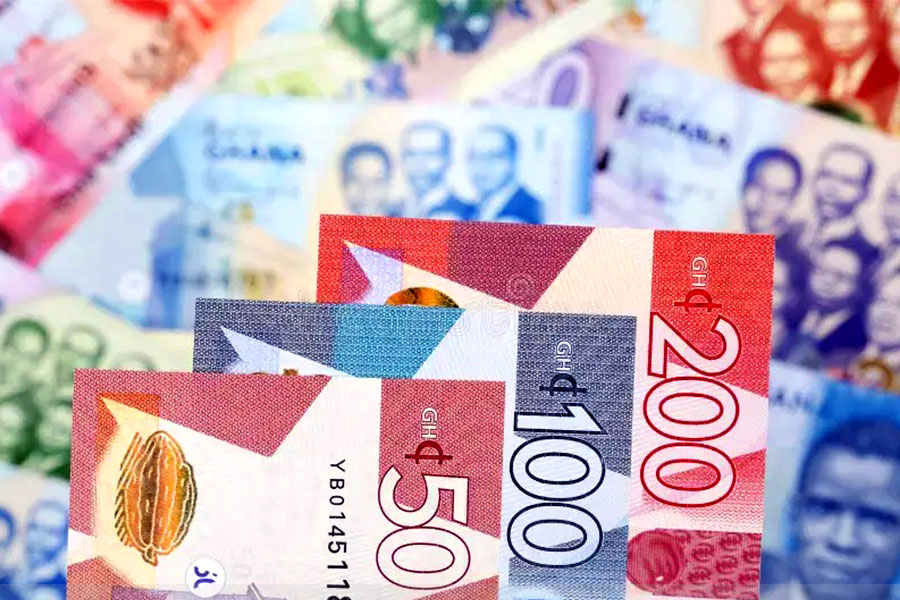
The cedi has maintained relative stability against major foreign currencies, including the United States dollar, British pound, and euro, following recent developments in the foreign exchange market.
The performance of the cedi has attracted attention from businesses, financial experts, and ordinary citizens who have closely monitored the movement of the currency due to its direct impact on the prices of goods and services.
A stable cedi is considered important for the economy because it helps businesses plan better, reduces uncertainty in the market, and supports efforts to control the cost of imported products such as fuel, machinery, medicines, and raw materials.
The Bank of Ghana has continued to monitor developments in the foreign exchange market and has introduced measures aimed at maintaining stability and improving confidence in the local currency.
Financial analysts say the recent stability can be linked to improved market confidence, increased foreign exchange inflows, better management of economic policies, and efforts to strengthen the country’s financial sector.
They explained that when the cedi remains stable, investors are more confident in the economy, while businesses can make better decisions without the fear of sudden increases in exchange rates.
Importers and manufacturers have welcomed the development, saying a predictable exchange rate environment makes it easier to manage operational costs and plan for the future.
Some business owners, however, have noted that despite the stability of the currency, many challenges remain, especially regarding the high cost of production, transportation, and other expenses affecting consumers.
Consumers are also hoping that the improvement in the exchange rate will gradually lead to a reduction in the prices of essential commodities and provide relief for households struggling with the rising cost of living.
Economists have cautioned that maintaining the stability of the cedi will require continuous efforts, including increasing local production, boosting exports, managing government spending, and maintaining investor confidence.
They have also highlighted the importance of reducing Ghana’s dependence on imported goods, explaining that increased local production can help reduce pressure on foreign exchange demand.
The performance of the cedi is also influenced by global factors such as international oil prices, global market conditions, interest rates, and economic developments in other countries.
The government and financial authorities have assured Ghanaians that they remain committed to implementing policies that will strengthen the economy and protect the value of the local currency.
Meanwhile, market watchers say continued stability of the cedi will be a key factor in determining the direction of inflation, business growth, and the overall economic outlook of the country.
As the currency maintains relative stability against major foreign currencies, many Ghanaians are hopeful that the trend will bring lasting improvements and make everyday goods and services more affordable.

